Highlighted reviews from other travellers
Reviews from GetYourGuide and Google
Могу сказать много чего о туре. Просто превосходный! Несмотря на не очень хорошую погоду, сломанную ногу у Дайги, они сделали всё что было возможно, чтобы мы ничего не пропустили. Я ехала с моими друзьями из Италии и могу сказать, несмотря на маленькие знания английского языка, всё было понятно. В Рундале вас ждал очень гид Олаф, который не только был профессионал своего дела, но и отличный актёр. В Бауске - другой гид, так как Дайна не могла из-за ноги. Надеемся она поправится скоро. А еще и пивоваренный завод- как было интересно. Обедали неподалёку от Бауски. Всё прошло на ура. Вернулись на место встречи с уставшими ногами и головой, но с полным сердцем…
It was spectacular and memorable. Daiga gave me so much wonderful information , and is a very warm and fun lady. As a solo traveller, I was made to feel welcome. Frederick was an excellent driver and took loads of pics which Daiga shared with me. Olav who was our guide for Rundale palace , was both entertaining and knowledgeable on our tour of this magnificent palace. The brewery tour was excellent , Zaiga led us through the beer making process from start to finish. After the tour we got to taste the beers and I was very generously given a bottle of my favorite beer. As a tour , this is a wonderful alternative to several other tours who visit the palaces and the Hill of Crosses. It was a pleasure to meet Elena who is in training to be a Ukrainian speaking guide for this amazing company. Thank you for a truly special day.
My husband and I recently booked a day trip with Daiga and we throughly enjoyed every minute of it. We were picked up from our hotel at the mentioned time and the drive to Lithuania was very smooth. Daiga is quite knowledgeable and indulged us in the history of the place in detail. After driving for 2 hrs, we stopped for lunch. Since we both are vegetarians and we were concerned about finding good vegetarian eat outs, our guide ensured she took us to a nice sit down vegetarian place where the food was awesome. Daiga is very friendly and knowledgeable and she knows in and out of the place. My husband who loves to tour breweries , was fascinated to tour the beer factory and learn about the whole beer brewing process and even get to taste it! After the tour, we were driven back to Riga and through out the ride, Daiga gave us company by showing us the local history and educating us about the local culture. Highly recommend this to everyone!! Could give more stars if I could.
I had such a lovely day on this tour and honestly didn’t expect to learn so much about Latvia along the way. Daiga was a fantastic guide — very knowledgeable, but also warm and easy to talk to, which made the whole experience feel relaxed and personal. The visits to Rundāle Palace and Bauska Castle were beautiful, but what really made the difference was how Daiga brought the history to life with stories and context throughout the day. It never felt like a “lecture” — more like travelling with someone who genuinely loves sharing their country. The brewery stop at the end was a perfect way to finish the day — a really nice touch and a fun, memorable ending. Overall, it was a great mix of learning and enjoying the day out. I would absolutely recommend Daiga’s tours and will remember this day very fondly.
I had a day that I will always value. Daiga and her company/team are thoughtful and generous and I learned so much about Latvia and what makes this country special and set apart. Every stop was fantastic. Thank you for a wonderful and memorable day
Daiga ed il suo gruppo sono davvero straordinari: simpatici, entusiasti e preparati! L'intero viaggio è stato un susseguirsi di scoperte emozionanti, ma andiamo con ordine: il palazzo di Rundāle è un gioiello incastonato nella pianura Lettone, la nostra guida ha magistralmente spiegato ogni sala, ricca di stucchi ed affreschi, soffermandosi sui dettagli e rispondendo ad ogni domanda. Il pranzo si è svolto in un locale tipico poco distante, dove ho potuto assaporare diverse specialità locali. Il castello di Bauska, situato alla confluenza dei fiumi Mūsa e Nemunėlis è un classico esempio di maniero Livoniano, anch'esso ricco di storia e fascino. Prima di rientrare a Riga ci siamo fermati al birrificio Bauskas, dove oltre alla visita dello stabilimento, abbiamo potuto assaggiare le deliziose birre prodotte in loco. Sono davvero soddisfatto di questo tour, auguro a Daiga ed ai membri del suo staff tutto il meglio! Continuate così! Meriterebbero 10 stelle!
What a great day trip!! Daiga was warm, organized, and full of insight, and she brought Rundale Palace and Bauska Castle to life with the story behind them. The group was awesome, and lunch at Mežskungs was honestly a highlight. I’d do this again. What a fantastic day trip! Daiga, our guide, was warm, organized, and incredibly knowledgeable. She brought Rundale Palace and Bauska Castle to life with captivating stories about their history. The group was fantastic, and the lunch at Mežskungs was honestly a highlight of the trip. I would definitely recommend this tour again.
Sehr freundliche und gut organisierte Tour mit Daiga. Rundale Palace und Bauska Castle waren toll, und die Brauerei-Führung nach dem Mittagessen war ein super Extra. Starke historische Einordnung, auch im Winter.
Excellent itinerary for us, and the whole day was perfect. Under an hour to our first stop, the Kemeri Bog walk, a beautiful nature walk through a fascinating wetland. Just lovely! Then a longer drive to our next stop, the Rundale Palace, past scenic farmland and glowing fields of canola, with lots of interesting information shared by Daiga along the way. The palace is impressive as was our palace guide, Olaf. Beautiful gardens too. A great stop. After this the chosen lunch stop restaurant (lunch not included) couldn’t have been nicer. Excellent quality meals, reasonably priced, friendly and good service. Last stop, the Bauska Castle showed us a different part of history from medieval times to the 18th century additions. Another great stop. Then the pleasant drive back to Riga. A good balance of visits and driving and a memorable 10 hours of our Latvian holiday. Thank you so much Daiga, Madhu and Sofia. A highly recommended tour!
Geweldige manier om meer van het land te zien dan alleen Riga. Alles op een rustig tempo zodat er genoeg tijd was voor de verschillende bezoeken. Gids wist heel veel te vertellen. Lunch plek was ook zeer aangenaam (voor eigen rekening). Er is ook ruimte om in overleg de invulling van de dag aan te passen. Zeer aanbevolen!
I would highly recommend this organization. At the end of April, I joined a trip to Rundale Palace, Bauska Castle, and Brewery. Daiga and her team do everything they can to ensure people have a wonderful day. Communication is easy and efficient, they are very reliable and punctual, and throughout the trip you’re given plenty of interesting insights and historical context. I truly enjoyed the experience—many thanks to Team Daiga!
一名导游...一名见习导游兼司机的配置...早晨去bog walk的安排很好...避开了游客高峰期...daiga 和 sofijia都很专业...无论什么问题都会热心解答...中午推荐了一家氛围很好的餐厅...我最满意的是如果时间充足导游会带你去一些额外的景点...通常是那些非常小众但景色挺典雅精致的...希望能够做大做强再创辉煌...太阳照常升起....我的拉脱维亚的故事到这里就结束了...
Spent a lovely day at Rundale Palace with barefootbaltic & Daiga. The gardens were the highlight for me, the lilac was in full bloom and smelled gorgeous. Daiga also took us to Aveni for lunch that turned out to be such a find. An easy, relaxed day and we never felt rushed. Thank you Daiga, my best wishes.
Excellent experience, excellent guide, amazing driver, a very high quality trip...highly recommended!
Une superbe journée en compagnie de Daïga et Sofijja ! 😊 Leur professionnalisme, leur gentillesse et leur passion pour l’histoire de la Lettonie ont vraiment rendu cette excursion inoubliable. Les explications étaient claires, intéressantes et enrichissantes tout au long de la visite. Le palais de Rundāle est grandiose, le château de Bauska impressionnant, et la balade dans le marais de Ķemeri offre un cadre naturel exceptionnel. Daïga a su parfaitement organiser la journée, avec un excellent rythme et une attention constante. Une guide et son équipe au top que je recommande vivement pour découvrir ces sites emblématiques depuis Riga ! 🥇
Excelente excursión. La mejor manera de ver lo más bonito del sur de Letonia en un día. Muy agradecido a Daiga y Sofía ya que hacen que te sientas muy a gusto. El paseo por la ciénaga Kemeri me ha gustado mucho con sus plantas carnívoras y aves. Es un paisaje que en España no tenemos. El castillo de Bauska y el palacio de Rundale te transportan a la historia de invasiones que ha sufrido el pueblo letón. Francamente, un acierto.
Highlights
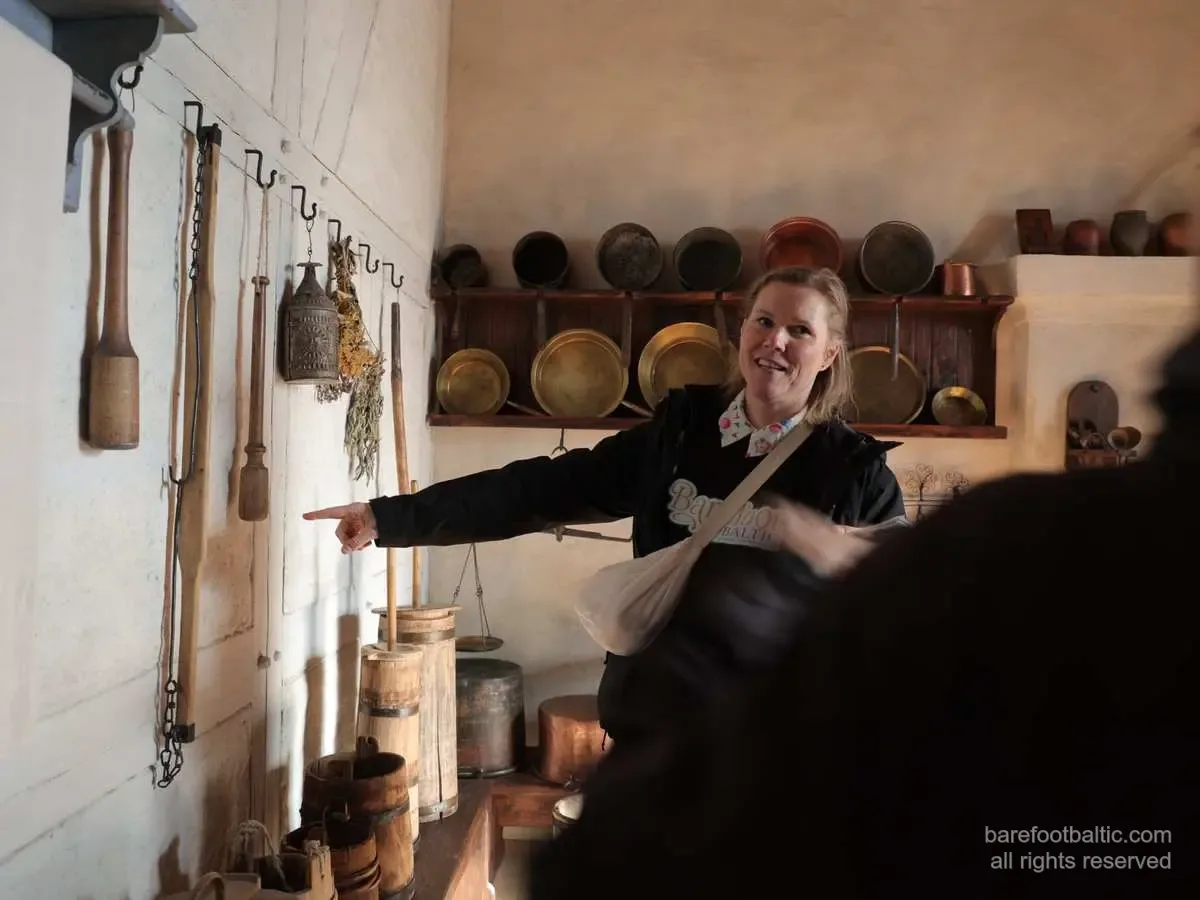
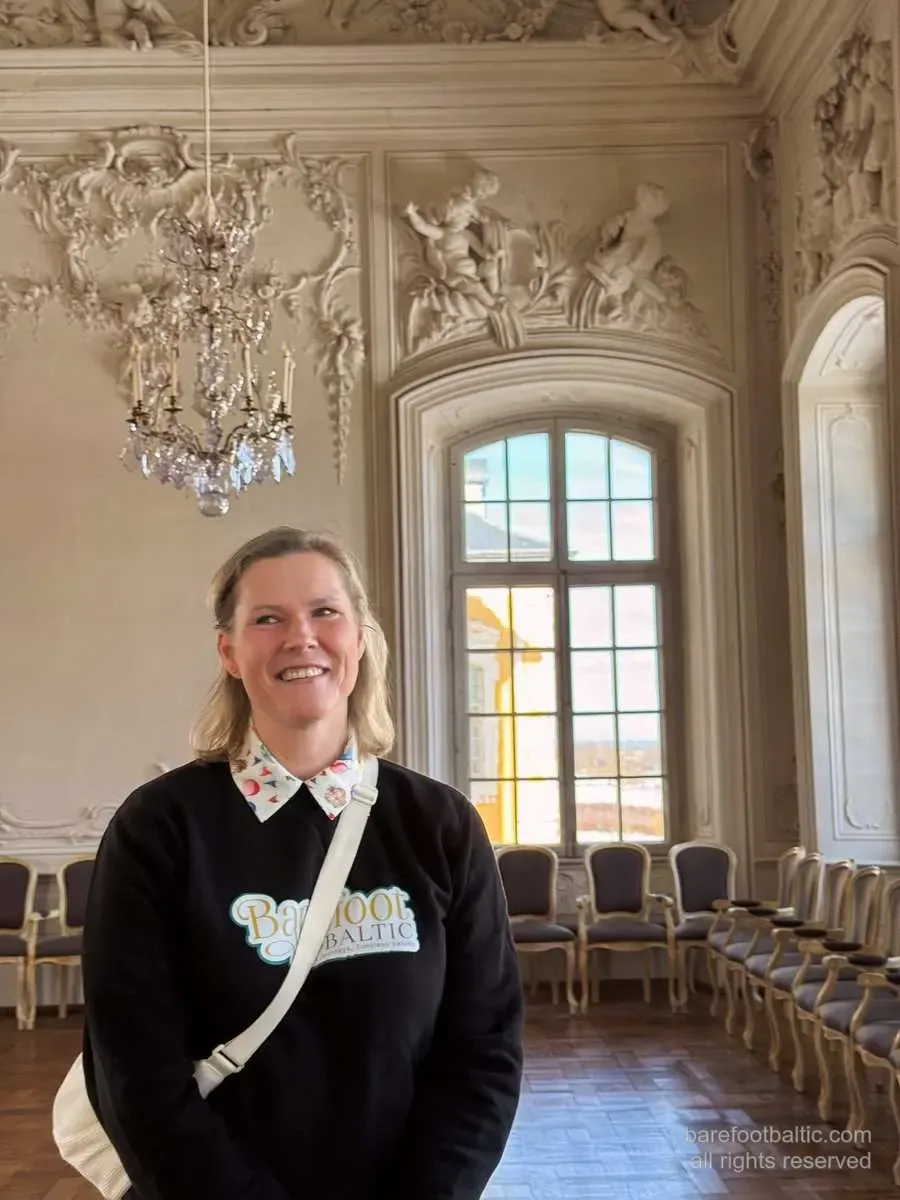
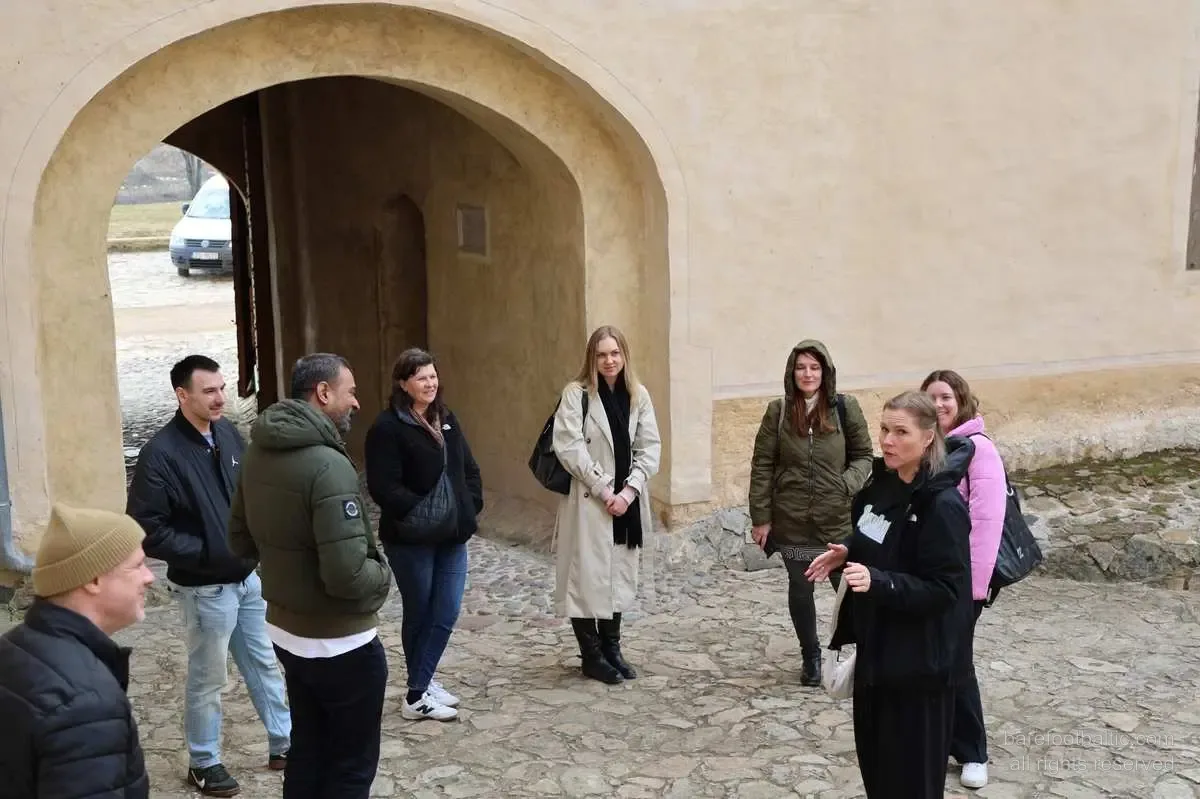
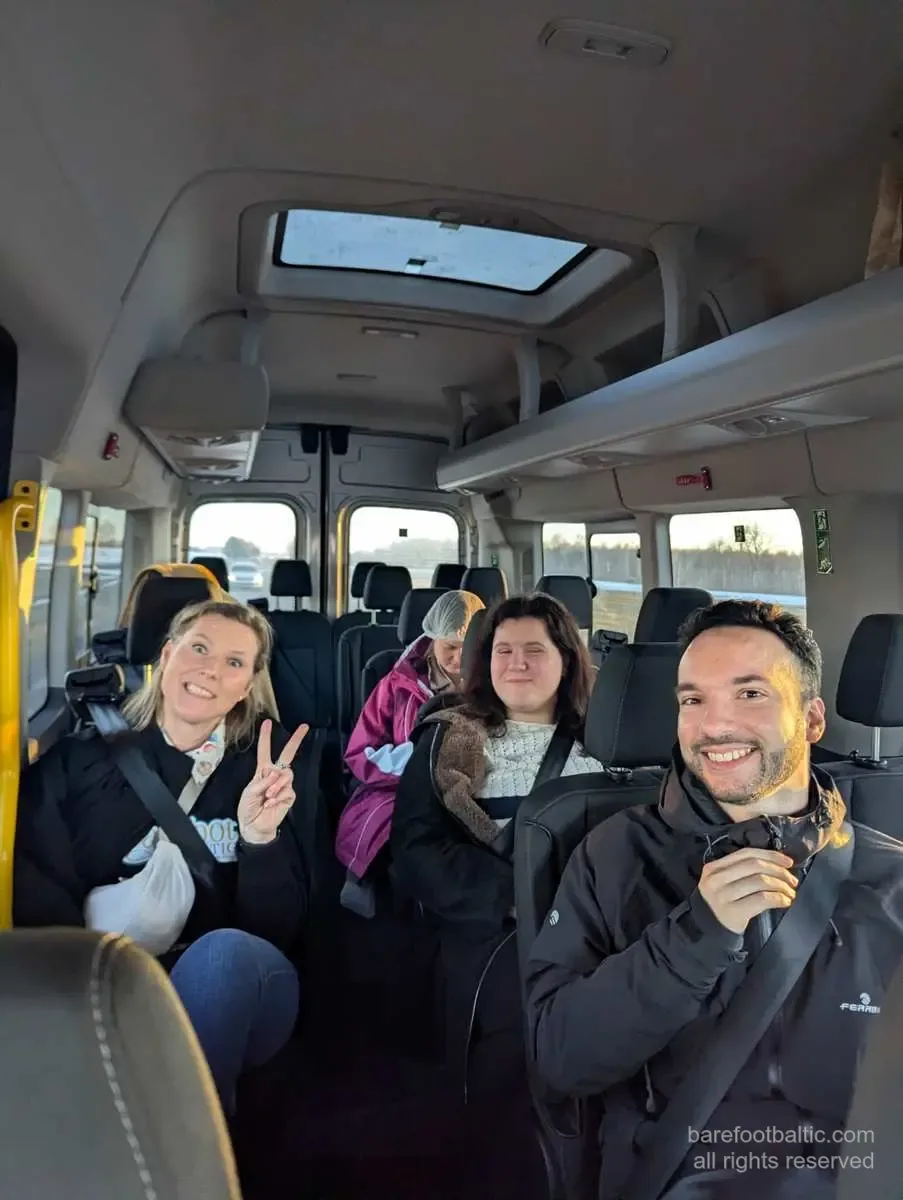
What to Expect
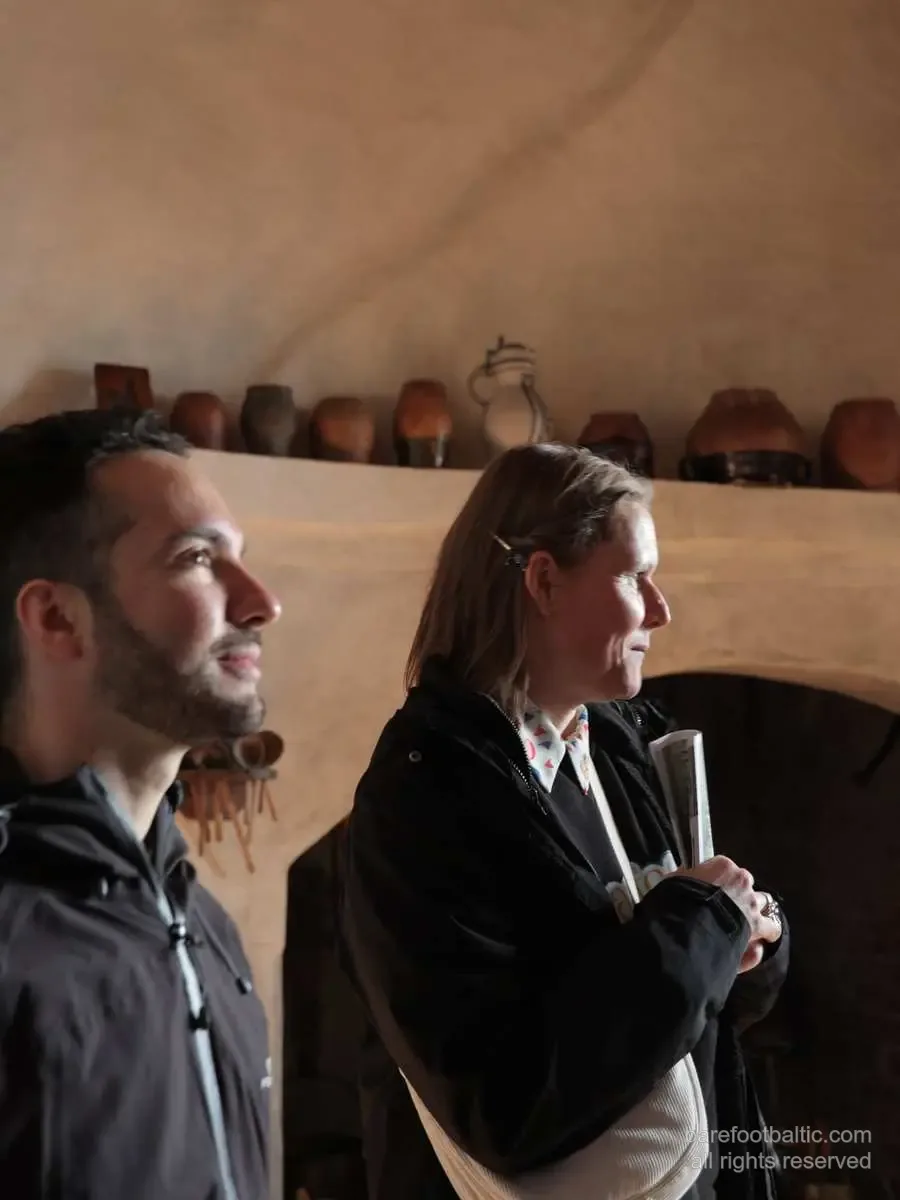
I’d love to welcome you on this excursion. My hope is to give you a carefully curated day in Latvia, personalised for our small group and well worth your ten hours.
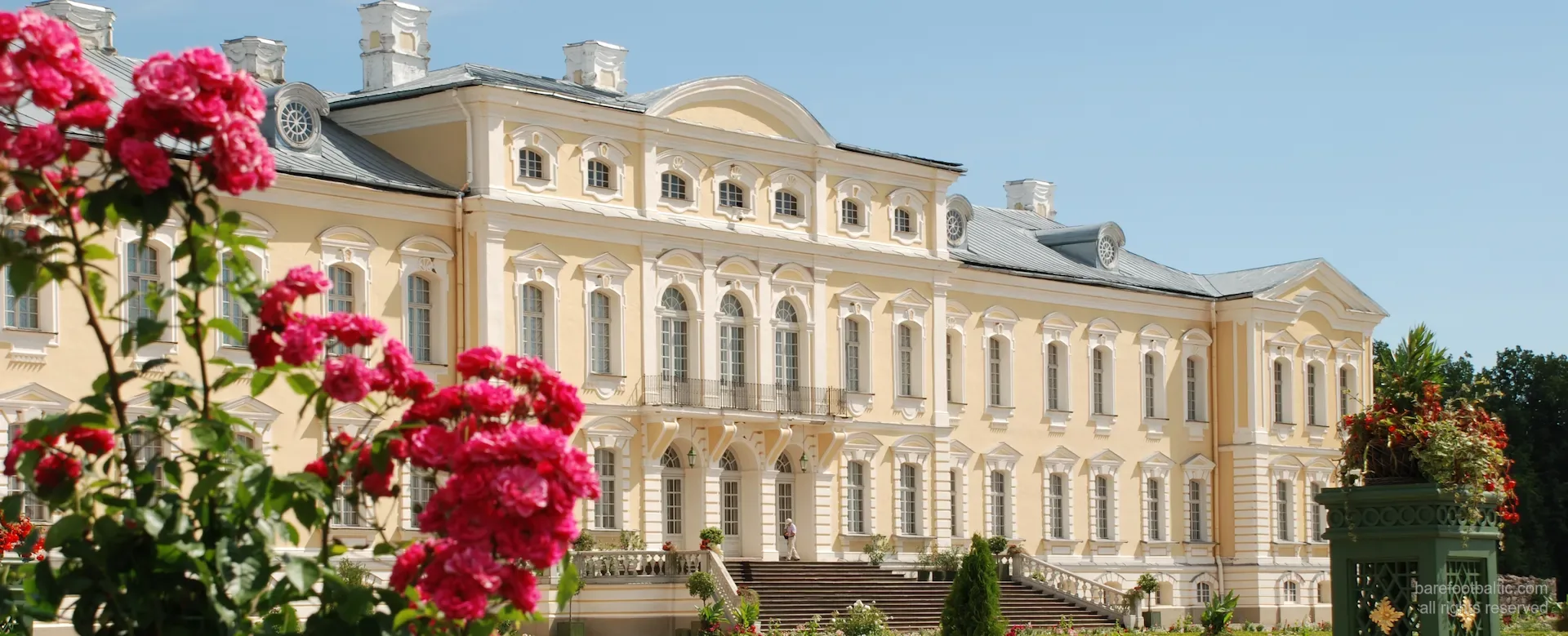
We drive south from Riga for about an hour. During our van journey I set the context for you, why these fertile flatlands turned out to be the most prized possession of crusading warrior-monks from Germany, and later fiercely fought over by the Russian, Polish and Swedish empires at different times. The architectural highlight of the day is Rundāle Palace, designed by Francesco Rastrelli, the same architect who built the Winter Palace in St Petersburg. It’s often called the Versailles of the Baltics. I accompany you through the palace myself and fill you in with the palace gossip from the 18th century, supported by a digital audio guide provided by the palace. On some dates a licensed palace guide may join our group at no extra cost.
Read more Read less
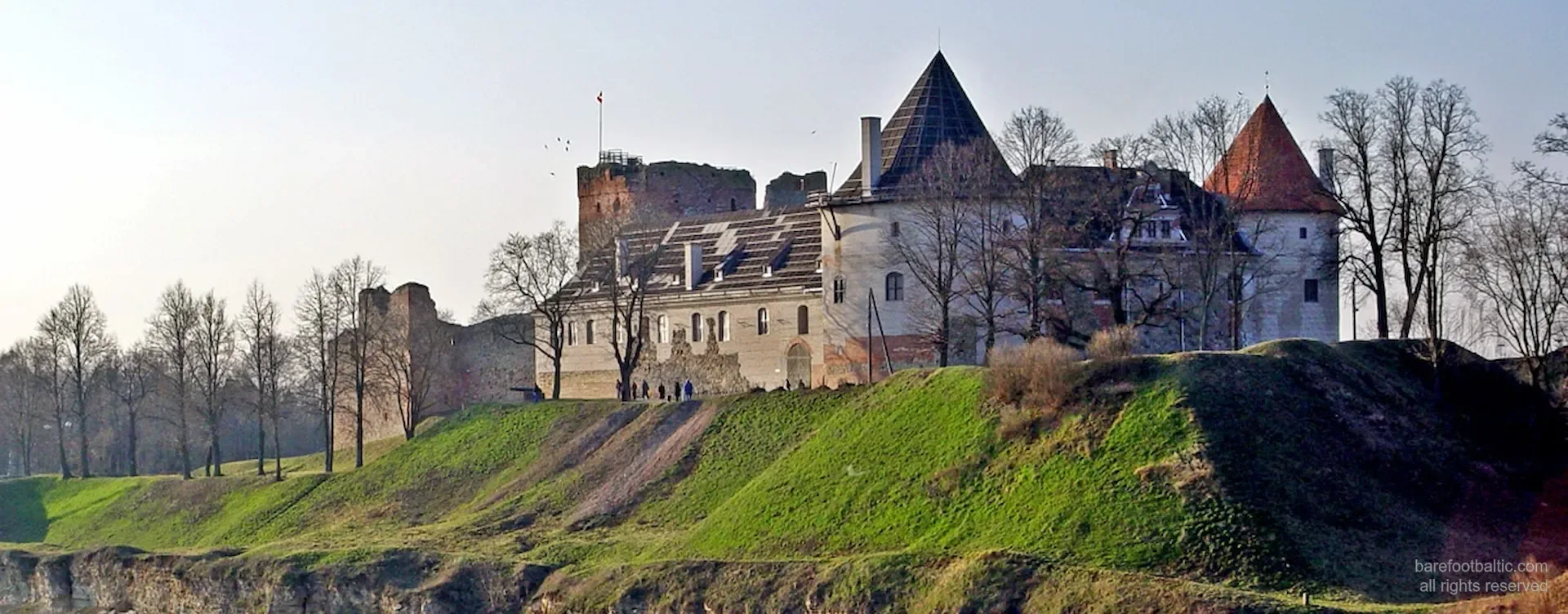
Then Bauska Castle, a 15th-century Livonian Order fortress at the meeting of two rivers. The atmosphere is completely different from the palace. Stone, wind, and a turbulent borderland history.
We stop for a relaxed sit-down lunch at a local countryside restaurant (you pay the restaurant directly). I’ll walk you through the menu and suggest a few things worth trying if you’ve never had Latvian food before. Cold beetroot soup in summer, grey peas in winter, dark rye bread all year round. I’ll also talk about my favourite Latvian drinks and snacks in the van and suggest what to try during your stay. When possible, I bring a small complimentary sample of a favourite Latvian sweet or drink for tasting. It isn’t part of the tour price.
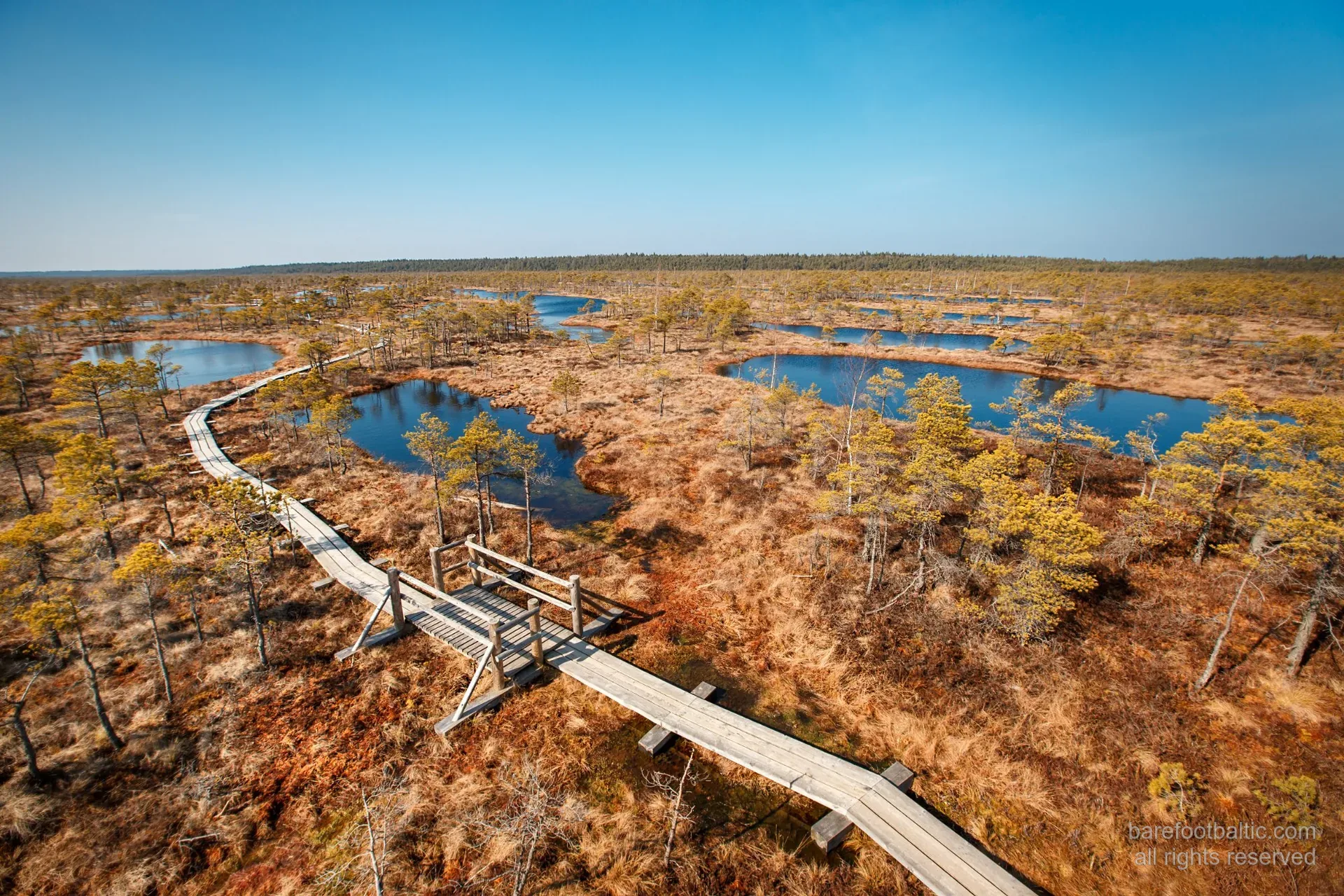
We make our way to the Great Ķemeri Bog, one of the largest and best-preserved raised bogs in the Baltics. Latvia is one of the few countries in Europe whose peatlands have survived this intact, which is why EU peatland-restoration scientists treat them as a working model of a functioning ecosystem. From the boards you’ll see soft sphagnum moss, dwarf pines that may be 200 or 300 years old and still no taller than a Christmas tree, and dozens of small dark bog pools. I’ll point out the carnivorous round-leaved sundew right beside the boards (Charles Darwin’s favourite plant).
We arrive back in Riga by early evening. By then, I hope you leave feeling you’ve used your day well, seen something special, and made warm memories of Latvia.
The route, on the map
The day’s stops as a loop. Riga south to Rundāle Palace (about 75 minutes), then short hops to Bauska for lunch, Bauska Castle, then west across to the Great Ķemeri Bog boardwalk before heading home (about an hour back to Riga). Order can be flipped on the day if weather or traffic make it sensible.
Around 250 km loop · 6 stops
A few clips from our recent tours
12 clipsYour Day, Hour by Hour
Depart from Riga
We meet at the designated point in central Riga and head out in an air-conditioned minibus. Around 75 minutes south to Rundāle. During the van journey Daiga sets the historical context. These fertile flatlands turned out to be the most prized possession of crusading warrior-monks from Germany, later fiercely fought over by the Russian, Polish and Swedish empires.
Rundāle Palace & Gardens
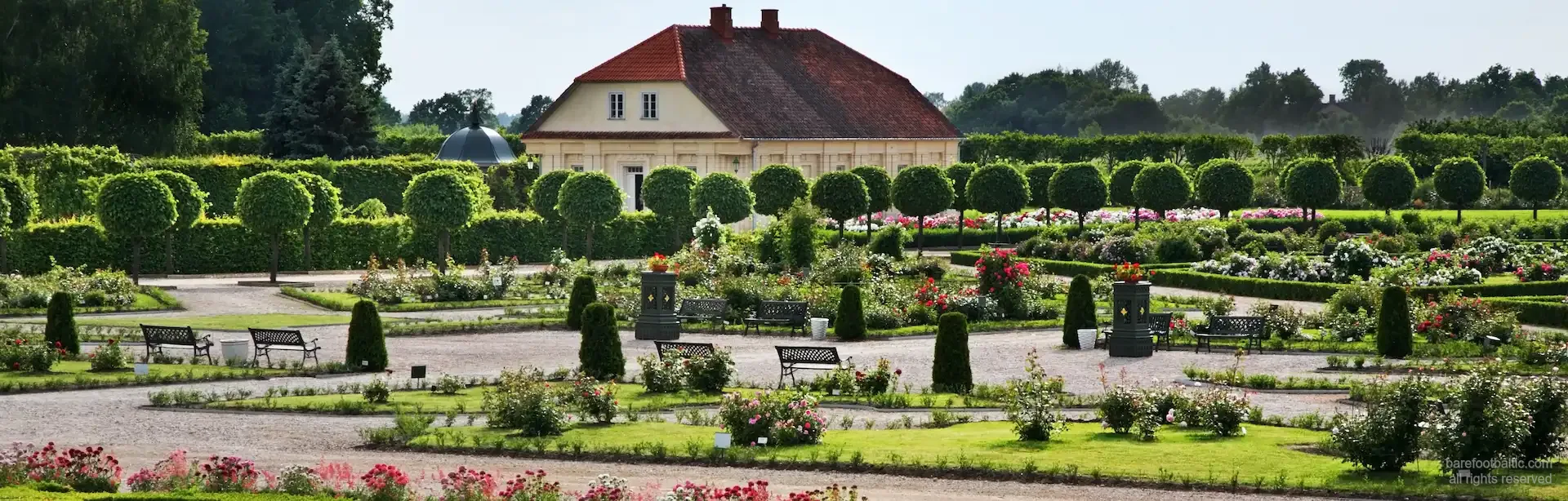
Around two hours at the palace and gardens. Daiga accompanies you through the palace, with the visit supported by a digital audio guide provided by the palace. On some dates a licensed palace guide may join the group at no extra cost. Time to explore the French formal gardens at your own pace afterwards.
Lunch in Bauska
About one hour for a sit-down lunch at a local restaurant in Bauska. You order from the menu and pay the restaurant directly. Daiga walks you through the menu and suggests a few things worth trying if you’ve never had Latvian food before. Cold beetroot soup in summer, grey peas in winter, dark rye bread all year round.
Show all 6 stops Show less
Bauska Castle
Around 1.5 hours at Bauska Castle, a 15th-century Livonian Order fortress at the meeting of the Mūsa and Mēmele rivers. Stone, wind, and a turbulent borderland history.
Great Ķemeri Bog Boardwalk
About one hour on the wooden boardwalk into the Great Ķemeri Bog (Lielais Ķemeru tīrelis), one of the largest and best-preserved raised bogs in the Baltics. We stay on the boardwalk the whole time, no off-boardwalk walking. From the boards you’ll see sphagnum moss, dwarf pines that may be 200 or 300 years old and still no taller than a Christmas tree, and dozens of small dark bog pools. Daiga points out the carnivorous round-leaved sundew right beside the boards (Charles Darwin’s favourite plant).
Return to Riga
About one hour back to the original pickup point in central Riga. Arrival by early evening.
What's Included
Included
Not Included
Good to Know
Meeting Point
We meet at one of two pickup points in central Riga (Triangula Bastion or Grand Hotel Kempinski Riga). Exact details are shared when you book.
What to Wear
Comfortable walking shoes are essential. Bauska Castle involves uneven surfaces and stairs, and the Ķemeri boardwalk can be slick after rain. Dress in layers, especially in spring and autumn. A light waterproof is sensible if rain looks possible at the bog.
Accessibility
Rundāle Palace is partially accessible for wheelchair users (ground floor). The Ķemeri boardwalk is flat wooden boards and works for most mobility aids in dry weather. Bauska Castle involves stairs and uneven terrain, the hardest stop on the day for reduced mobility. Please let us know in advance if you have any mobility concerns and we’ll plan the day around them.
Children
Children are welcome. The boardwalk loop is flat and pram-friendly. Let us know the ages of your children when you book and Daiga will plan accordingly. Child price €70.
Cancellation
Free cancellation up to 24 hours before the excursion for a full refund. Cancellations within 24 hours are non-refundable. If we cancel for weather or vehicle reasons, you get a full refund or a free reschedule, your choice.
Not Suitable For
This is a full-day experience of around 10 hours with moderate walking on palace interiors, gardens, uneven or cobbled surfaces, and a flat boardwalk loop into the bog. Not suitable for guests who cannot manage stairs at all (Bauska Castle has tower stairs and uneven medieval stone). Please message Daiga before booking with any mobility concerns to confirm the day will work for you.
What to Bring
Comfortable walking shoes. Weather-appropriate clothing. Latvian weather can change quickly, so a light jacket or rain protection is sensible year-round. Reusable water bottle. Lunch money for the restaurant. Bring any snacks or drinks you know you will need. Any small tasting sample Daiga brings is complimentary, when available, and is not part of the tour price.
House Rules
No smoking in the vehicle. No outside alcohol or drugs. No littering in the palace grounds, castle grounds or national park. Stay on the boardwalk at Ķemeri at all times. Off-boardwalk walking is not permitted on this visit.
Frequently Asked Questions
Book This Excursion
Book Direct with Daiga
Same tour, same guide, same experience, just a better price when you book directly.